As an Amazon Associate I earn from qualifying purchases.
Iguanas are arboreal reptiles that need climbing structures to feel secure, thermoregulate, and bask. Good branches and mounts reduce stress and the risk of injury. This guide covers what to look for in branch diameter, surface traction, mounting methods, and ongoing maintenance. Advice is based on established husbandry guidance so you can design a safer, easier-to-clean climbing setup for your pet.
Why Branches Are Essential In An Iguana Enclosure
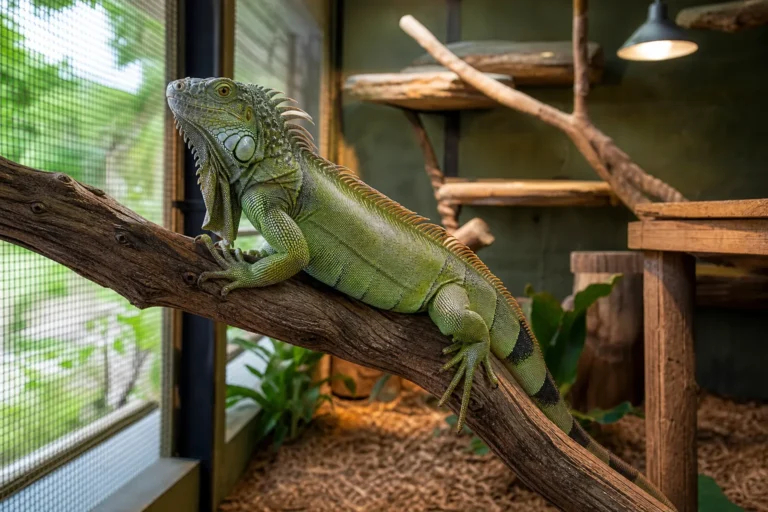
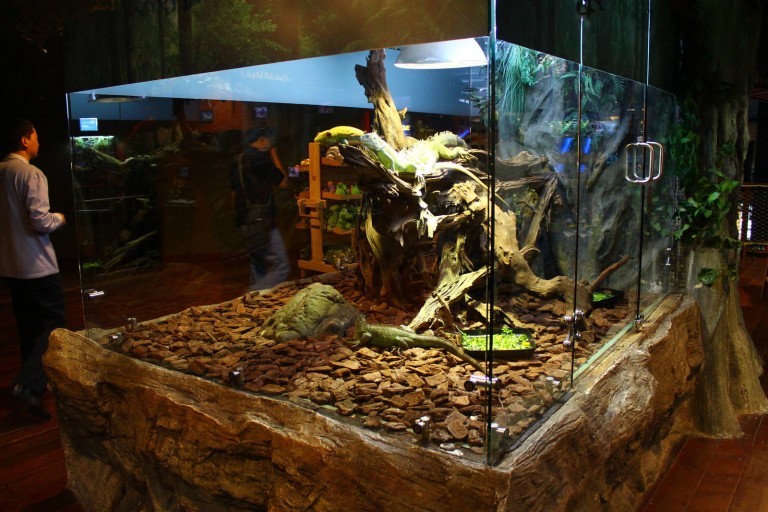
Branches provide climbing, basking, and hiding options that help arboreal species behave naturally. Enclosures without suitable climbing furniture can make an iguana nervous and less likely to thermoregulate by moving between warm and cool areas. Provide both horizontal and vertical elements and avoid overcrowding so your pet has clear access to basking and retreat spaces. These basics are recommended in reptile-husbandry resources as essential cage furniture for tree-dwelling species. For broader care topics see Iguana Care and species notes at Green Iguana Care.
Choosing Diameter And Strength
Pick branches that clearly support the iguana’s full weight without bending or rocking. Diameter matters mainly so the animal can wrap toes or at least plant feet securely—too thin and it will roll, too thick and it can’t grip. Test any branch offsite by applying pressure and simulating the animal’s weight. Also inspect cut ends and splits; brittle wood can fail. The core rule is simple: a branch must be strong, stable, and unlikely to break or shift under normal use.
Surface Traction And Texture
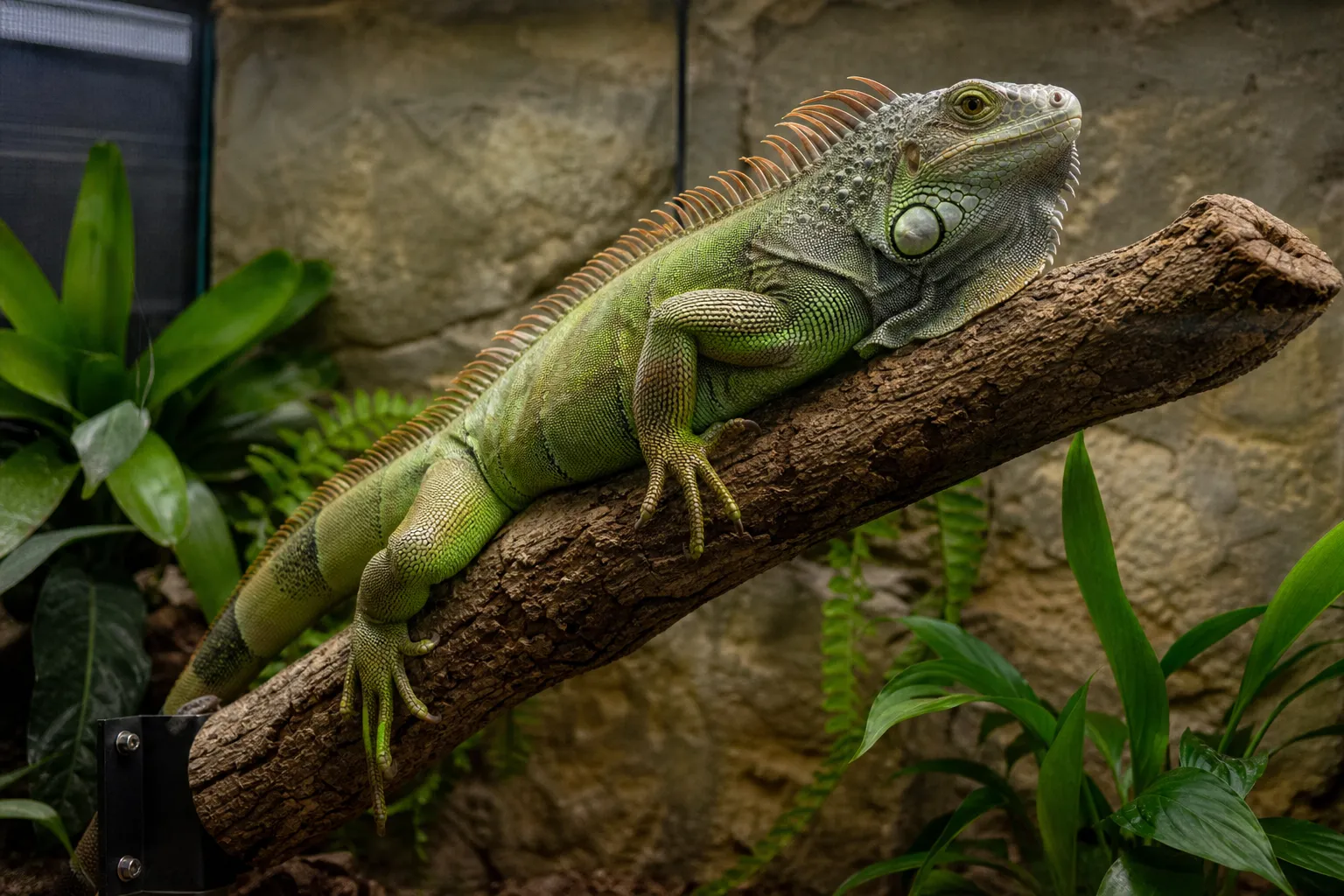
Traction is how well an iguana’s pads and claws hold a surface. Natural bark usually provides good grip, while very smooth or painted surfaces can be slippery. Textured artificial branches are acceptable if they are designed for reptiles and are non-toxic. Avoid coatings and finishes that can flake or expose your pet to chemicals. When you choose a branch, consider how the animal will move along it and prefer surfaces that let claws and toes find purchase without excessive strain.
Secure Mounting Methods
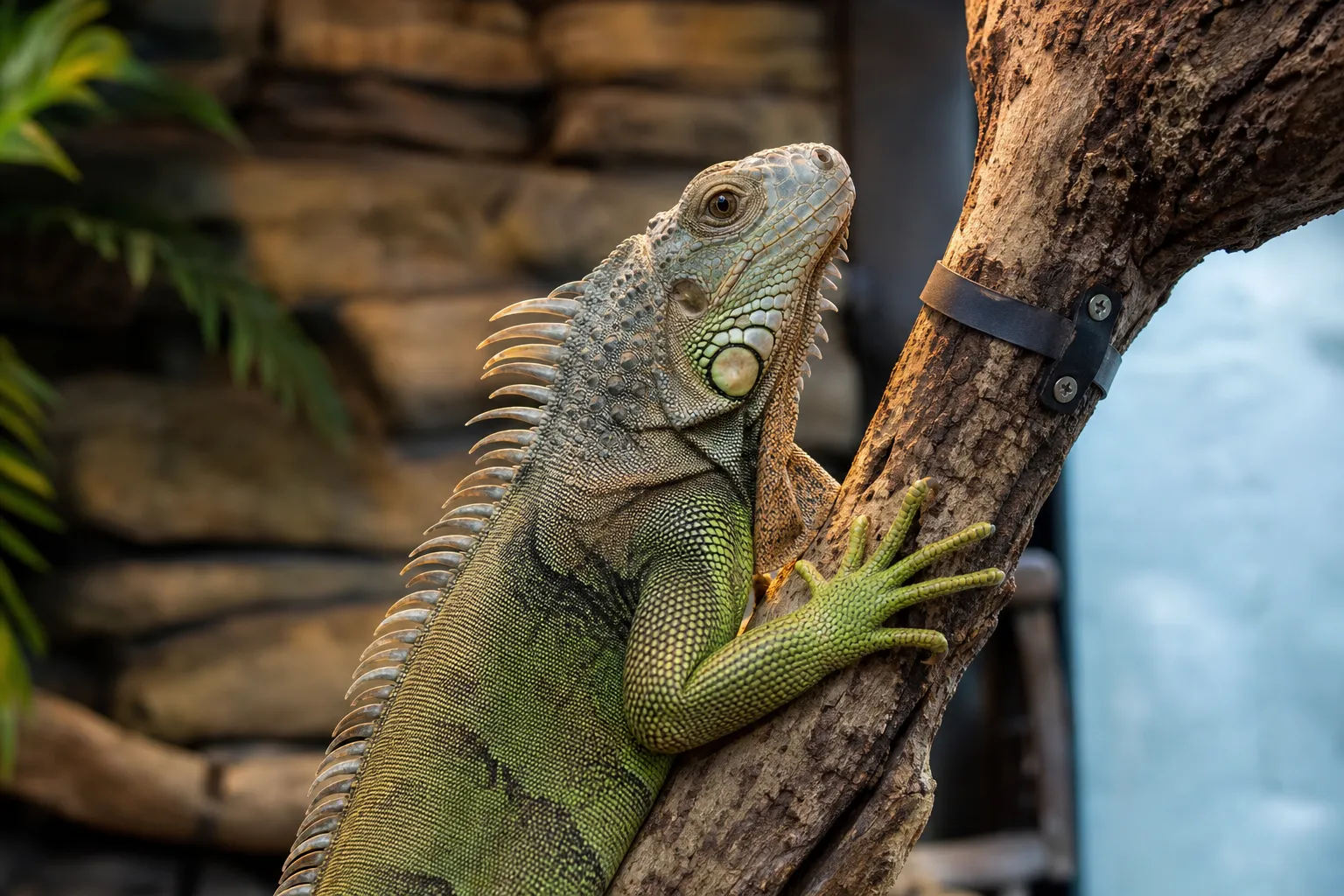
Mount branches firmly so they cannot fall or rotate. Anchor hardware should attach to enclosure framing, wall studs, or a rigid top rather than to thin mesh that can bend. Position branches so they slope from lower to higher points; this gives iguanas a natural climbing path and easier access to basking lights. Make sure mounts keep the branch clear of heat sources to prevent scorching and avoid methods that trap moisture inside mounting points where rot or rust could begin.
Placement Relative To Heat And UV
Place climbing surfaces near UV and heat sources so an iguana can bask comfortably while perched. Position the branch so the animal can sit within the basking zone without touching the lamp. Heat bulbs should be mounted outside and above basking areas at manufacturer-recommended distances to prevent burns (VCA recommends about 10–12 inches from the top of the cage to reduce burn risk). Provide a thermal gradient across the enclosure so the iguana can move to cooler zones as needed; branches should offer access to both warm and cooler perches for proper thermoregulation. See general housing guidance for placement and temperature ranges.
Natural Wood Versus Manufactured Branches
Both natural and manufactured branches have pros and cons. Natural wood offers realistic texture and is inexpensive, but it can carry pests and microbes. Clean outdoor wood thoroughly: wash, disinfect with a diluted bleach solution, and dry or bake to kill pathogens before use. Manufactured branches are often easier to sanitize and are uniform in strength, but choose products made for reptiles and free of toxic paints or glues. Regular cleaning and inspection are required whichever option you select.
Maintenance And Inspection Routine
Inspect all climbing structures weekly for loosened mounts, cracks, or rot. Clean per manufacturer guidance or with soap-and-water; diluted bleach is acceptable when followed by thorough rinsing and drying. Replace any branch that shows structural weakness or persistent soiling. Keep the enclosure floor and substrate easy to clean so debris from branches doesn’t accumulate. Frequent checks lower the chance of sudden failures that can injure your pet and help maintain a hygienic habitat recommended by reptile-care references.
Remove natural branches for deeper cleaning when soiled. Scrub with soap and water, disinfect using a diluted bleach solution (one part bleach to ten parts water), rinse thoroughly, and allow to dry completely; VCA recommends washing and disinfecting reptile carpet regularly and suggests baking or sun-drying cleaned natural branches to kill pests. Merck notes that soap and water are generally sufficient for routine cleaning and warns that some disinfectants (for example, phenolic cleaners) can be toxic to reptiles. Check mounting points and metal fittings for signs of corrosion, tighten fasteners after cleaning, and replace fittings that no longer seat securely. A simple inspection log can help you track when pieces were cleaned or replaced and avoid missed maintenance cycles. For related habitat topics visit Explore Topics.
Choosing Climbing Hardware And Accessories
Select hardware designed to hold the expected load and tolerate enclosure humidity. Look for corrosion-resistant fasteners and mounts that let you remove and clean branches. Consider purpose-made reptile platforms and brackets rather than improvised fittings that might hide bacteria or degrade quickly. Reptile branch mounts on Amazon and climbing platforms for reptiles can help you compare options; choose items that are rated for heavier pets and are easy to clean.
Conclusion
Well-chosen branches and mounts make an iguana’s enclosure safer and more natural. Favor sturdy, textured perches placed where the animal can reach heat and UV, secure all mounts to solid structure, and clean and inspect regularly. With careful selection and upkeep, climbing furniture will support healthy behavior and reduce stress in arboreal iguanas.