As an Amazon Associate I earn from qualifying purchases.
Keeping an iguana involves predictable setup and ongoing expenses tied to proper housing, heat, and regular cleaning. This article breaks those needs into budget items you can price locally and online, based on veterinary housing guidance and safe-housing practices. Follow the basics below to plan realistic first-year and annual costs, and to avoid shortcuts that end up costing more later.
Enclosure Size And Growth: Plan For An Adult
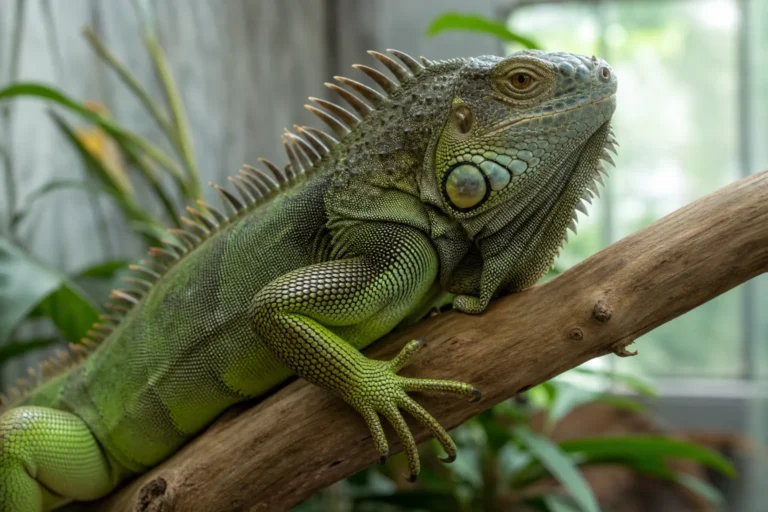
Juvenile iguanas start small and will outgrow aquariums quickly. VCA notes adult green iguanas commonly reach 3–5 feet and sometimes larger; males can weigh 7–9 kg. That means an initial inexpensive tank will need replacement as the animal grows. Budget for a large horizontal enclosure with vertical space for climbing, or the materials and labor to build a custom pen. A screened top, easy-to-disinfect bottom, and sturdy viewing sides are essential to keep the animal safe and contained.
Enclosure Materials And Construction Costs
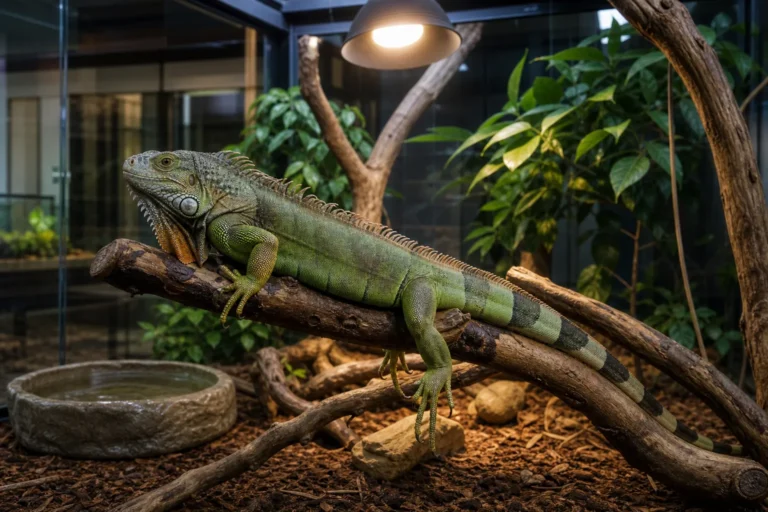
Glass or Plexiglas enclosures with good ventilation are recommended. Galvanized wire mesh cages are another option and can be less expensive to construct. If you build a custom enclosure, plan costs for framing, wall materials, a disinfectable floor surface, and a screened top. Include a visual barrier strip for the lower perimeter of glass tanks to prevent rubbing injuries. Consult a veterinarian or knowledgeable pet store for sizing and structural details before spending on a permanent build.
Heating And UV Lighting Essentials
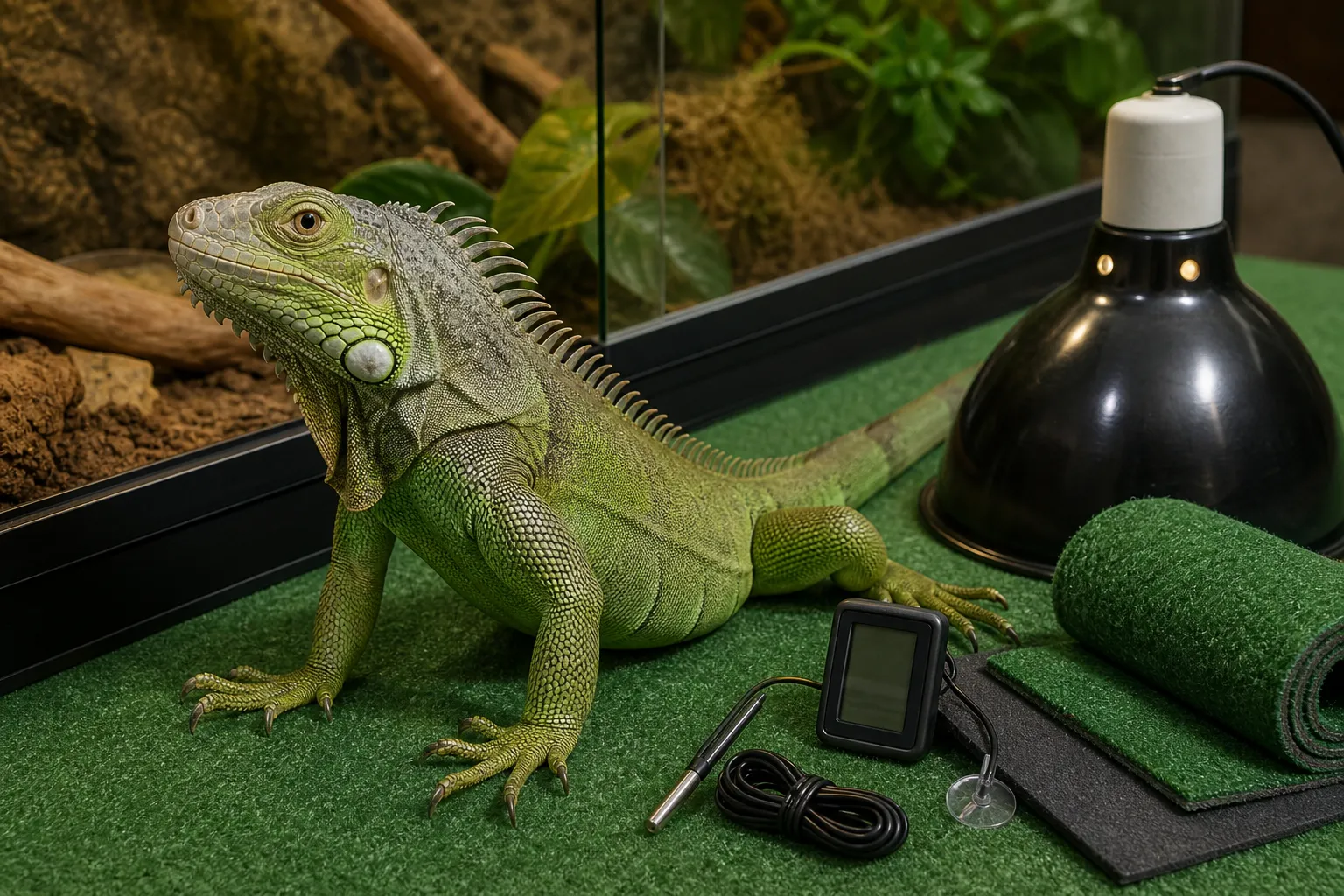
Iguanas require a heat source and ultraviolet (UV) light to thrive. A ceramic heat-emitting bulb or properly installed heating pad can provide warmth, and a UVB light is needed for normal behavior and basking. Place heating elements and UV lights at safe distances from the animal — VCA recommends roughly 10–12 inches to reduce burn risk. Avoid hot rocks or similar devices that can cause burns. Include replacement bulbs and possible fixtures in your first-year budget.
Temperature Monitoring And Safety Gear
Maintaining a heat gradient in the enclosure helps reptiles thermoregulate. VCA recommends monitoring with a point-and-shoot infrared temperature gun or two thermometers placed in warm and cool zones. Include the cost of reliable thermometers or a temp gun in your plan, and check them regularly. Proper monitoring prevents thermal burns and cold spots. Consider budgeting for spare bulbs and a basic repair kit to replace failed fixtures quickly to avoid heat loss emergencies.
Substrate, Bedding And Cleaning Supplies
Choose non-toxic, easy-to-clean substrates. VCA lists newspaper, butcher paper, recycled paper pellets, and artificial reptile carpet as good options. Avoid sand, gravel, wood shavings, corn cob material, walnut shells, cat litter, and cedar shavings — some are indigestible and some are toxic. Reptile turf can be washed and disinfected; VCA gives guidance to keep a spare piece of carpet ready while the other is cleaned. Include cleaning tools, disinfectant supplies, and spare bedding in routine-cost estimates.
Climbing Structures, Hides, And Furnishings
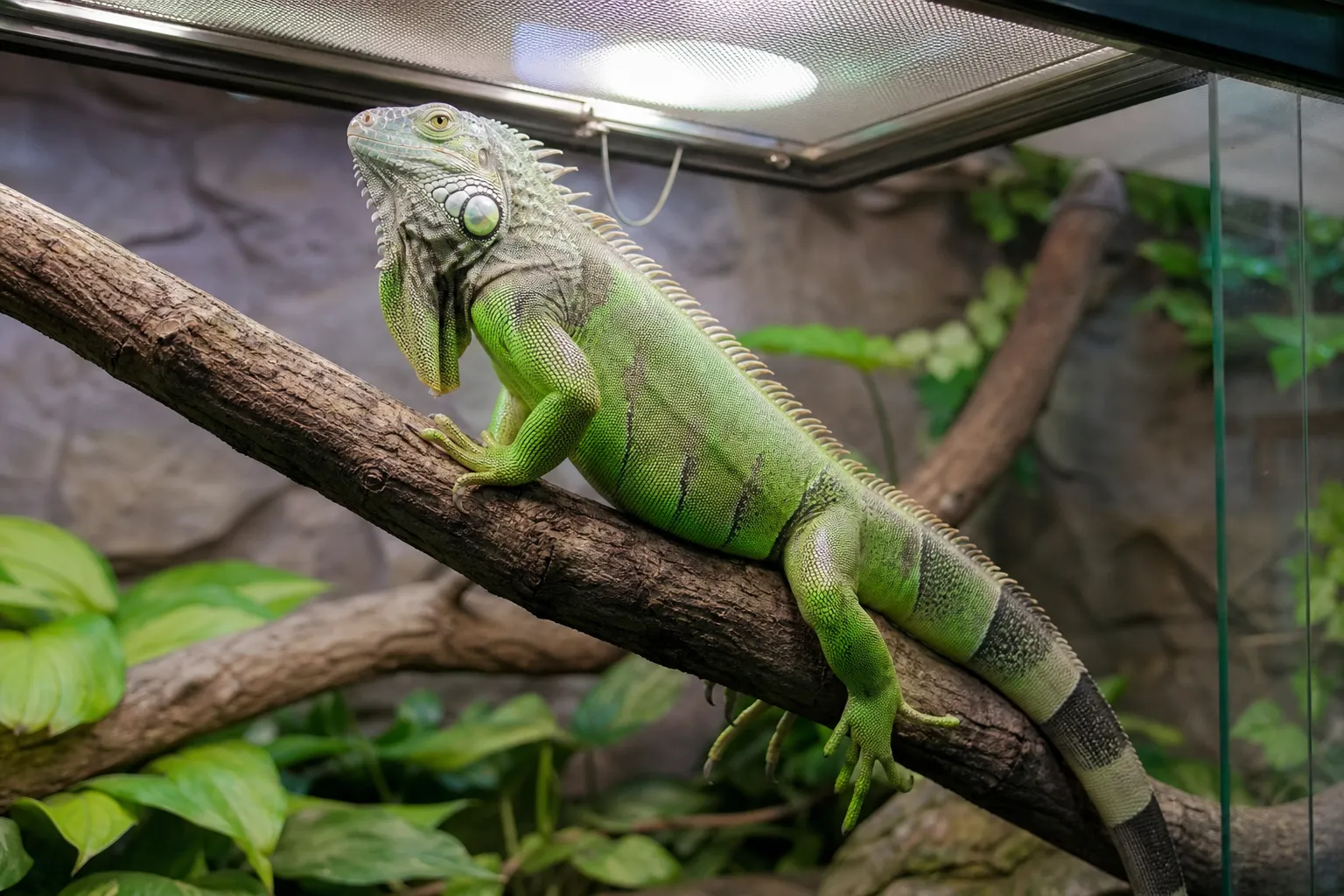
Iguanas are arboreal and enjoy branches, basking rocks, and hiding spots. Purchase or prepare clean, pest-free branches that support the iguana’s weight. If using natural branches, follow veterinary cleaning and drying guidance before placing them in the enclosure. Arrange branches to slope from lower to higher areas near the basking light so the iguana can warm safely. Budget for commercial climbing pieces, non-toxic artificial plants, or simple hides that give security and enrichment while standing up to regular sanitation.
Routine Maintenance, Replacements And Emergency Planning
Cage bottoms should be cleaned every few days and disinfected periodically; plan time and supply costs into your ongoing budget. Expect to replace UV bulbs, heat bulbs, substrates, and perishable furnishings on a schedule. Keep an emergency fund for equipment failures — a broken bulb or thermostat in cold weather can quickly become a health risk. Include the cost of spare bulbs, an extra thermometer, and basic repair or replacement parts in an annual contingency line item.
Where To Find Trusted Advice And Next Steps
Before buying, consult a veterinarian or your local pet store for enclosure sizing and safe setups. VCA recommends seeking guidance if you build your own enclosure so it meets species requirements. Read species pages and care guides to match habitat choices to the iguana you plan to keep: Iguana Care, Green Iguana, and browse topics for deeper research Explore Topics. Use those references to refine price estimates for your location.
Conclusion
Budgeting for an iguana means covering a proper enclosure, reliable heat and UV, safe substrate, climbing features, and monitoring tools. Plan initial setup costs plus annual replacements and an emergency line item. Prioritize safety and veterinary-recommended housing details to avoid costly mistakes and support a healthy, long-lived pet.
Sources and further reading
Sources And Further Reading
THE JUNGLE SUPPLY EDIT
Shop This Article
Everyday Tools For A Thoughtful Care Routine

Rite In The Rain Notebooks · 3 Pack
Weatherproof notebooks for temperature logs and daily care observations.
Use for records to discuss with your reptile veterinarian when needed.
View On Amazon (opens in a new tab)
Zoo Med ReptiCare Day/Night Timer
A timer option for maintaining a consistent equipment schedule.
A timer controls on/off times; it does not regulate temperature.
View On Amazon (opens in a new tab)
Zoo Med Repti Rock Food Dish · X-Large
A broad food-dish option for comparing feeding space and placement.
Confirm dimensions on Amazon and choose a stable, accessible position.
View On Amazon (opens in a new tab)
Zoo Med Digital Combo Gauge
Remote-probe temperature and humidity monitoring in one unit.
Place each probe as instructed; keep the display away from splashes.
View On Amazon (opens in a new tab)Compare sizes, compatibility and current availability on Amazon. Choose what fits your existing setup.