Why This Checklist Matters
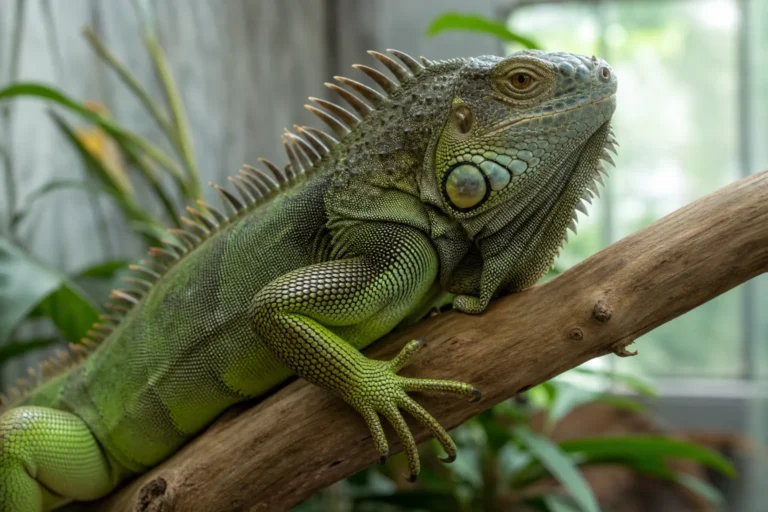
Green iguanas are large, arboreal lizards with species-specific needs that make them a substantial, long-term commitment. They are primarily herbivores and require reliable UV-B lighting, a warm temperature gradient, high humidity and appropriate vertical space to climb and bask. Use this checklist to compare your home, schedule and budget to the basic husbandry requirements recommended by veterinary and professional husbandry references. Source Source.
Space And Enclosure: Can You Provide The Right Home?
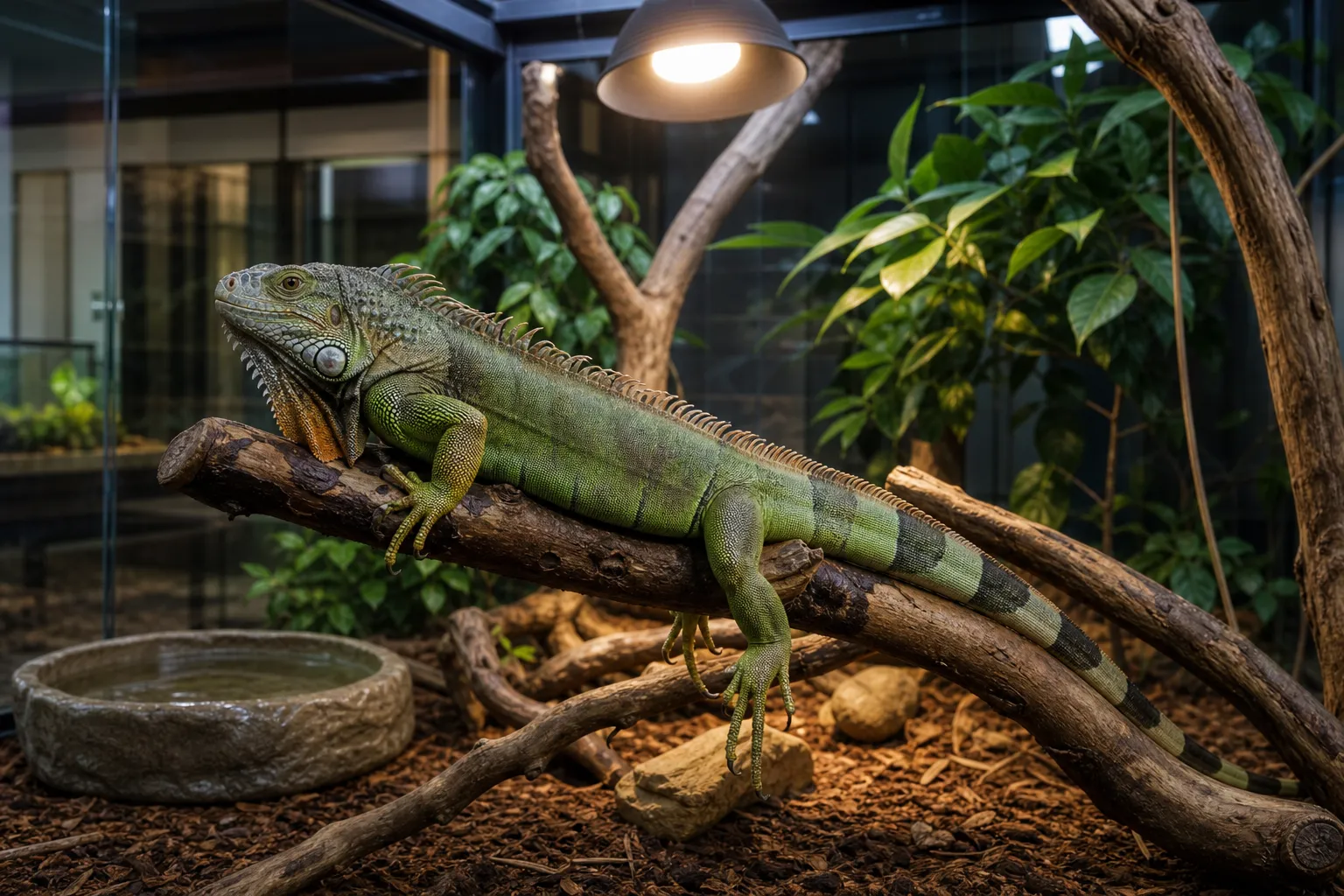
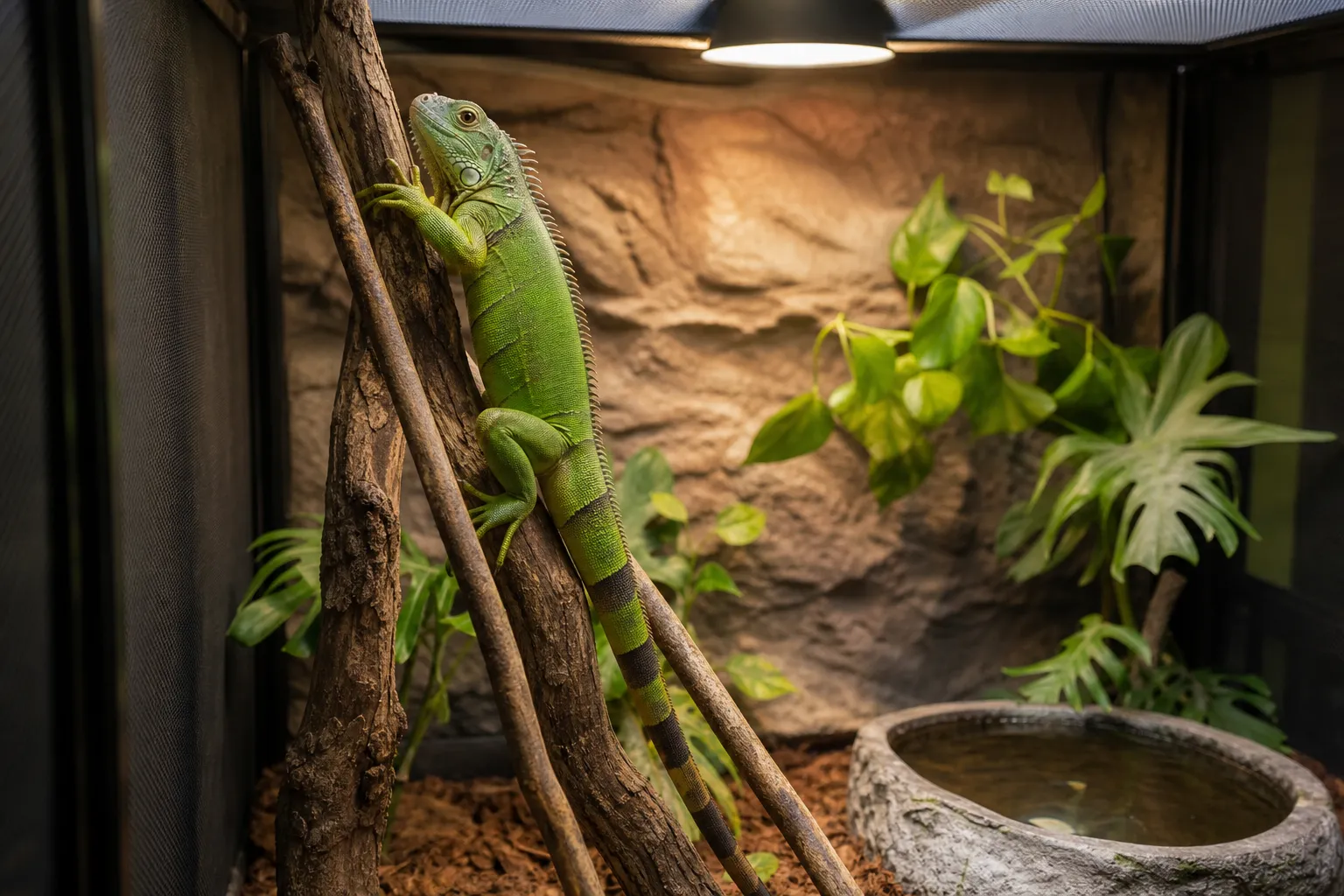
Green iguanas are arboreal and commonly reach indoor lengths of 3–5 ft; large adult males under ideal conditions can reach up to about 6 ft. Expect to provide a tall, roomy enclosure with secure branches and sturdy perches for climbing and resting above the substrate. Professional guidance emphasizes offering the largest appropriate enclosure possible and using cage furniture suited for arboreal species rather than cramped or horizontal-only setups. Glass aquaria are frequently used but may be poor insulators and can cause temperature fluctuations and stress; wood, plastic, or fiberglass enclosures are often preferable when practical. Source Source
Environment: Temperature, Lighting And Humidity
Green iguanas thrive in warm, humid conditions that mimic rainforest habitats. Recommended preferred optimal temperature zones are about 29–33 °C (84–91 °F) with ample access to a basking area, and relative humidity in the general 60–85% range. Reliable commercial UV-B lighting is essential for proper calcium metabolism and bone health; a thermal gradient (cool and warm zones) lets the iguana regulate its body temperature. When safe and feasible, short periods of unfiltered natural sunlight (for example, limited time outdoors under supervision) can have positive effects, but shading and escape prevention must be managed. Source Source
Substrate, Water And Enrichment
Choose substrates and furnishings that are easy to clean and unlikely to be ingested. Options commonly used for reptile enclosures include newspaper, artificial turf, and organic particulates that can be replaced when soiled; natural leaf litter and soil can be used if sterilized first. Provide a water dish large enough for soaking or bathing, and include multiple retreats and climbing structures. Clean, secure branches and hiding spots reduce stress and are essential for arboreal species. Routine cleaning with soap and water is usually sufficient; harsher disinfectants require thorough rinsing. Source
Diet And Routine Care
Green iguanas are herbivores. Offer a varied diet of appropriate leafy greens and vegetables; calcium absorption depends on both dietary calcium and adequate UV-B exposure. Daily feeding, regular enclosure cleaning, and frequent environmental monitoring (temperature, humidity and UV-B lamp condition) are part of routine care. Plan for periodic veterinary examinations with a clinician experienced in reptiles. Source Source
Household Readiness: People, Pets And Long-Term Care
Consider who will be the primary caregiver: iguanas are not recommended as pets for young children or young teenagers because of the risk of scratches and bites and the physical demands of handling large adults. Mature or experienced adult caregivers are usually best. Avoid mixing different reptile species in the same enclosure; professional guidance recommends single-species housing to prevent competition, stress and injury. Expect a long-term timeframe—VCA notes that with proper care iguanas commonly live 10–15 years, and longer lifespans have been reported—so assess whether you can commit to years of daily care and the recurring costs of electricity, replacement bulbs and veterinary care. Source Source
Health, Selection And Initial Checks
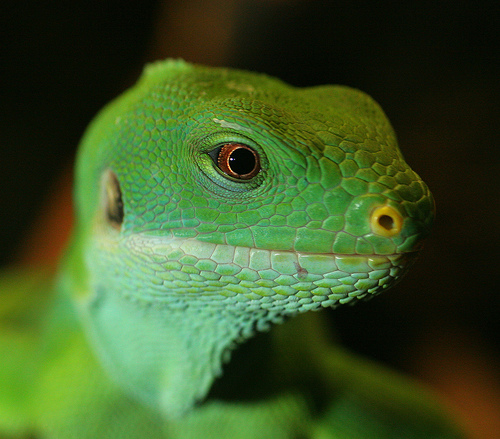
Choose young, captive-bred iguanas when possible; they are generally easier to tame and less likely to carry parasites or suffer capture/import stress than older imported animals. When evaluating a potential pet look for active, alert behavior in young animals, a full round tail base, clear eyes, and a clean vent or cloaca; abnormal mouth secretions or discolored oral tissue can indicate disease and should prompt caution. Ask sellers about origin and any health guarantees, and budget for an initial veterinary examination with a reptile-experienced veterinarian. Source
Practical Readiness Checklist
- Do you have space for a tall, roomy arboreal enclosure with secure branches, retreats and a large water bowl? Source
- Can you maintain a consistent POTZ of roughly 29–33 °C (84–91 °F), a reliable UV-B source and relative humidity in the 60–85% range?
- Are you prepared for daily feeding of herbivore-appropriate foods, regular cleaning and environmental checks (thermometer/hygrometer and lamp replacement schedule)?
- Is an adult household member available as primary caregiver, and is everyone aware iguanas are not ideal pets for small children? Source
- Will you seek a young, captive-bred animal when possible and arrange an initial veterinary check after adoption?
- Do you understand the long-term timeframe and budget for equipment, lighting/heating electricity and potential veterinary care?
Next Steps And Where To Learn More
If your answers are mostly positive, plan enclosure dimensions, supplies and a feeding schedule before bringing an iguana home. Read detailed care guides and species pages to prepare: our general care overview and the species-specific green iguana page cover enclosure planning, diets and supplies in more depth. Iguana care basics Green iguana specifics Explore topics