As an Amazon Associate I earn from qualifying purchases.
Adopting an iguana starts with a conversation, not a promise to take one home. Ask the rescue what it knows, what it has observed, and which details remain uncertain. Written records and a look at the current habitat can help you plan a suitable home and a veterinary appointment. Use these questions to decide whether you can meet this particular animal’s needs.
Start With Identity And History
What species is the iguana, and how did the rescue identify it? Ask for its age, sex, and how long it has been at the rescue, noting whether each detail is confirmed or estimated. Why was it surrendered, and what is known about its previous homes? The rescue may not have a complete history; an honest “unknown” is more useful than a guess. Ask whether there are intake notes, photographs, or contact details for a previous caretaker that the rescue is allowed to share.
Ask What The Rescue Has Observed
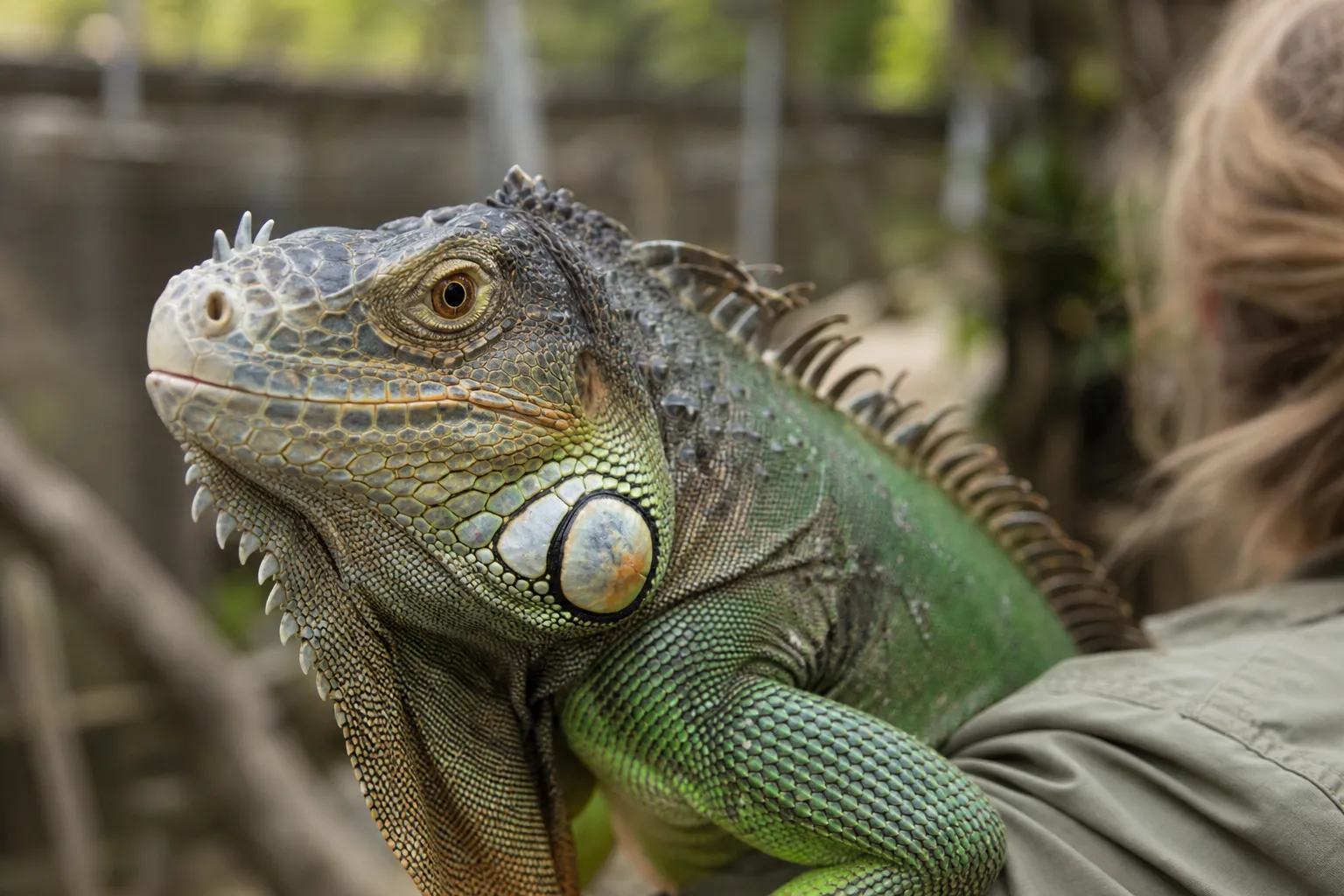
Ask how the iguana responds when someone approaches the enclosure, offers food, or performs routine maintenance. What signs does the rescue notice when the animal wants space? Are there situations in which it has attempted to bite or otherwise acted defensively? Ask staff to describe specific incidents and what happened beforehand rather than relying on labels such as “friendly” or “aggressive.” LafeberVet’s discuss defensive and reproductive behavior as possible contexts for aggression. Observe the animal without insisting on handling it.
Review The Current Habitat
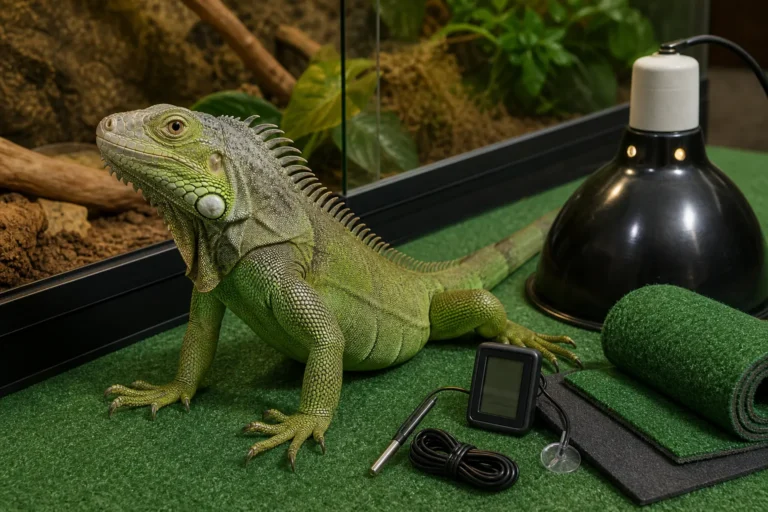
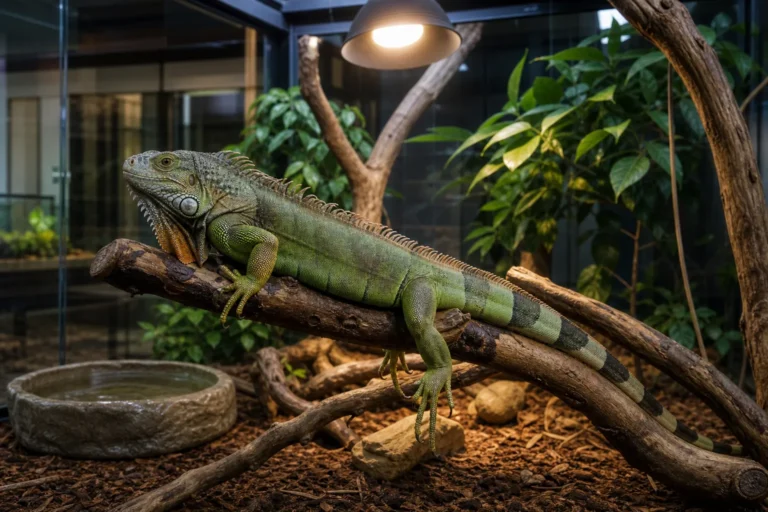
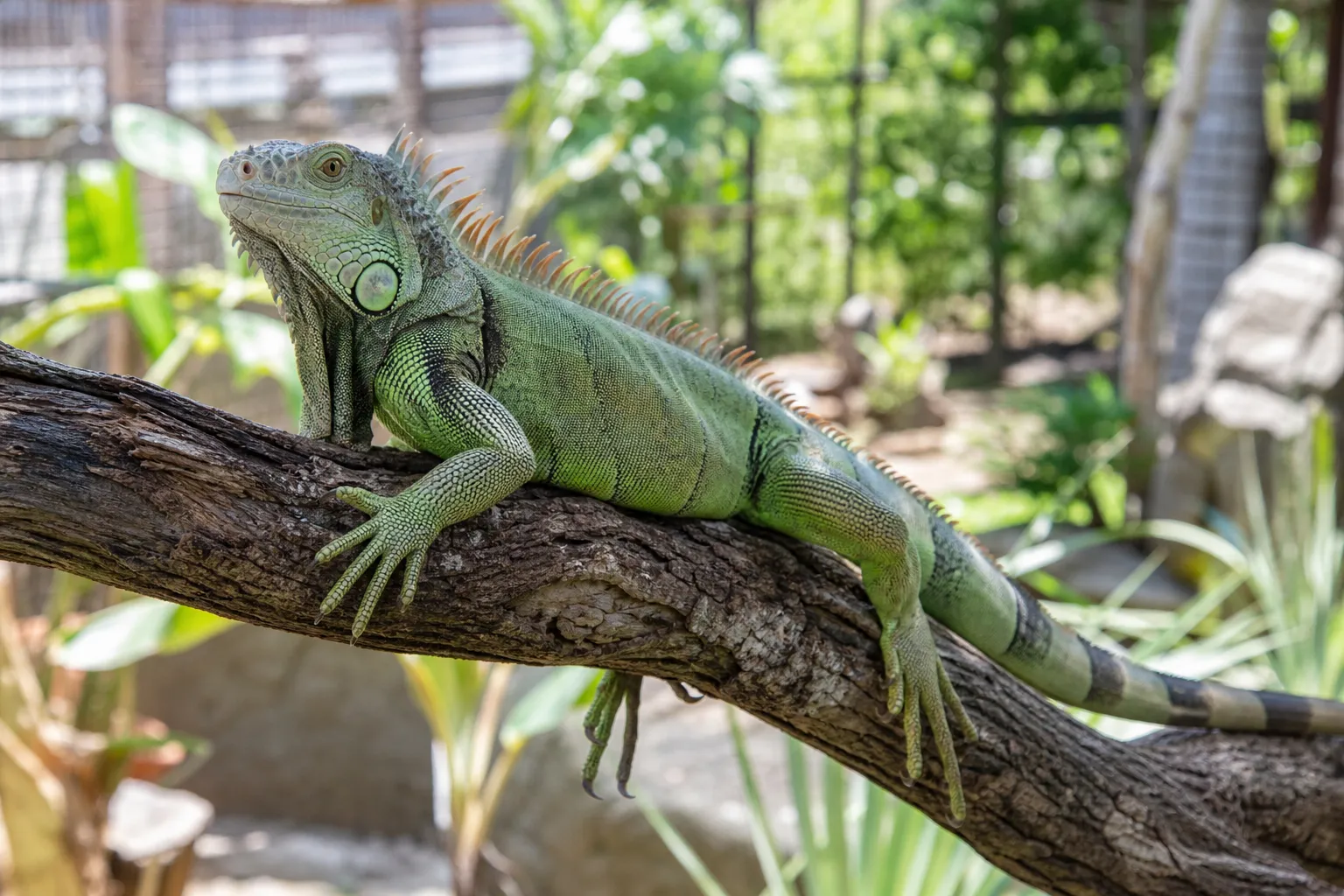
Ask to see the enclosure or recent photographs, and request its dimensions and a list of furnishings. Where does the iguana bask, climb, hide, and access water? What heating, lighting, and humidity arrangements are in use? For a green iguana, the describes an arboreal, or tree-dwelling, rainforest habitat; it also notes that enclosure design and space should suit the species. Compare the rescue’s setup with your planned space and discuss any differences with a reptile veterinarian. Our green iguana guide is another place to explore the species.
Get A Written Food History
What foods does the iguana currently receive, and what does a typical feeding routine look like? Ask for the names of any supplements, how the rescue uses them, and whether the animal accepts or refuses particular foods. Request earlier diet information if it is available. Merck lists the green iguana as an herbivore, meaning a plant eater, but the individual’s history still matters when discussing a plan. Bring the written food list to a reptile veterinarian rather than assuming that the current routine is ideal.
Request Veterinary Records
Ask which veterinary clinics have seen the iguana and whether the rescue can provide copies of examination notes, test results, treatments, and any ongoing care instructions. Are there known injuries or health concerns? If medication is being given, request the prescribing veterinarian’s written directions and ask how follow-up will be arranged. Clarify what is documented and what comes from a previous owner’s report. If records are missing, note that gap and discuss it with your veterinarian rather than treating the absence of paperwork as proof of good health.
Discuss The Transition Home
Ask what supplies or familiar furnishings, if any, will come with the iguana and how the rescue recommends transporting it. What routine does it follow now, and whom can you contact if questions arise after adoption? If you already keep reptiles, ask a veterinarian about a quarantine plan: a period of separation and observation for the newcomer. Merck includes quarantine and recordkeeping in its reptile husbandry guidance. Set up the destination enclosure before pickup and compare your preparations with the rescue’s notes and your veterinarian’s advice.
Make A Record You Can Use
Put the answers in one place, with dates, the rescue’s contact information, and copies of any records. Leave room to add observations and questions for the veterinarian. A clear history helps prevent details about housing, food, and treatment from getting lost during the handover. A simple animal care record notebook is one option; choose a format with enough space for dated notes. A digital document works too.
Confirm The Rescue’s Adoption Terms
Before agreeing, ask about the adoption fee, what it covers, and whether the rescue requires an enclosure review or follow-up. What happens if the placement does not work out? Request a copy of the agreement and clarify who to contact with concerns. Also consider the space, enclosure investment, and veterinary care you can provide. Merck notes that an appropriate reptile enclosure can require a substantial investment. Browse the iguana care resources as you prepare questions for your veterinarian.
A good match does not require every answer to be known. It does require a realistic plan for the unknowns. Take time to review the records, prepare the habitat, and ask follow-up questions before committing to the animal’s care.
Sources And Further Reading
THE JUNGLE SUPPLY EDIT
Shop This Article
Everyday Tools For A Thoughtful Care Routine
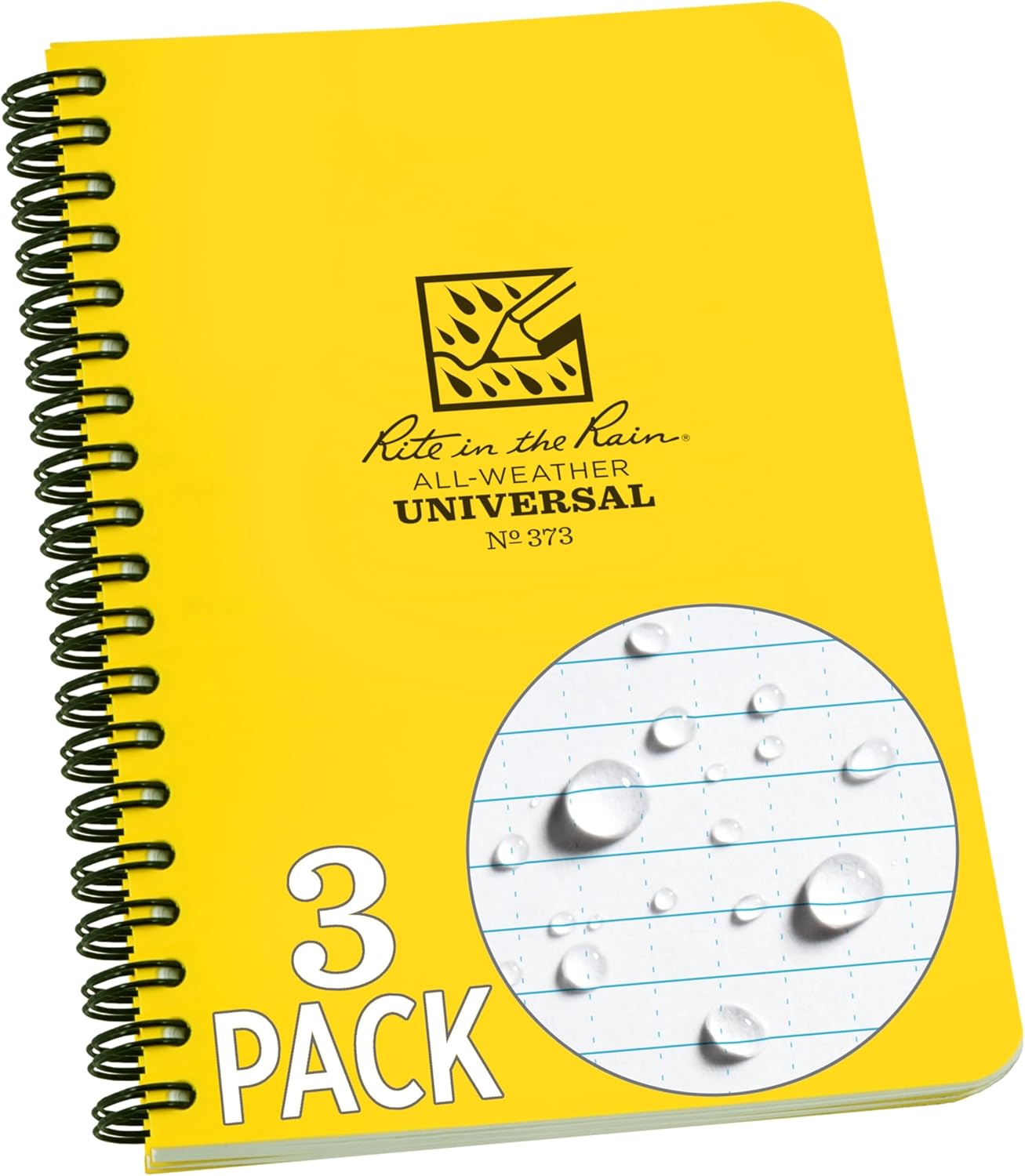
Rite In The Rain Notebooks · 3 Pack
Weatherproof notebooks for temperature logs and daily care observations.
Use for records to discuss with your reptile veterinarian when needed.
View On Amazon (opens in a new tab)
Zoo Med ReptiCare Day/Night Timer
A timer option for maintaining a consistent equipment schedule.
A timer controls on/off times; it does not regulate temperature.
View On Amazon (opens in a new tab)
Zoo Med Repti Rock Food Dish · X-Large
A broad food-dish option for comparing feeding space and placement.
Confirm dimensions on Amazon and choose a stable, accessible position.
View On Amazon (opens in a new tab)
Master Lock 630D Combination Lock
A small lock to compare for compatible cabinet or enclosure hardware.
Check shackle fit; a lock cannot make an unsuitable enclosure escape-proof.
View On Amazon (opens in a new tab)Compare sizes, compatibility and current availability on Amazon. Choose what fits your existing setup.