As an Amazon Associate I earn from qualifying purchases.
Handling an iguana for a veterinary visit, enclosure cleaning, or transport should minimize stress and protect both you and the animal. Start by assessing the animal in its usual environment and prepare the space and tools you will need. Slow, predictable actions and proper support reduce injury risk and make handling faster and safer for everyone involved.
Create A Safe, Secure Handling Environment
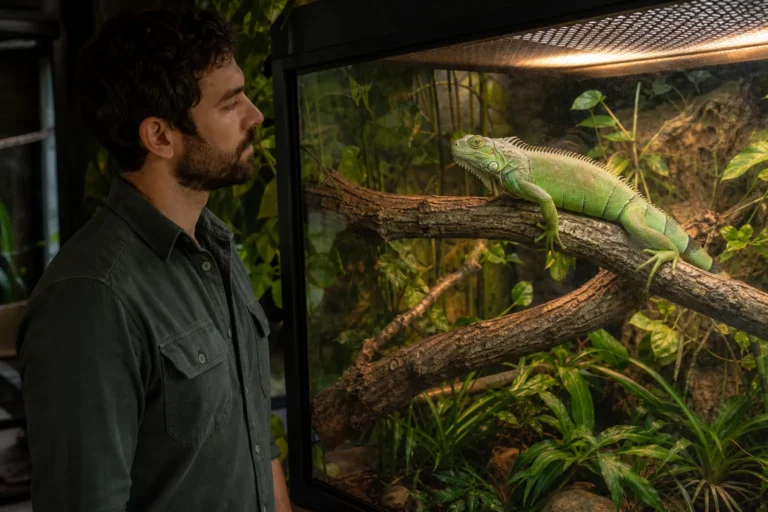
Work in a quiet, escape-proof area with soft, non-slip surfaces. Remove other pets and cover windows or mirror-like surfaces that can trigger defensive displays. An observation in the animal’s usual enclosure is often the best first step to see normal behavior and detect illness before touching the iguana — veterinarians recommend observation in-situ whenever possible for accurate assessment .
Read Iguana Body Language First
Give the iguana a moment to settle and watch posture, skin color shifts, tail motion, and breathing. Signs such as severe lethargy, rapid breathing, or unusual swelling may indicate disease and call for a veterinary exam rather than home handling. If you see concerning signs, limit movement and contact and seek veterinary advice — VCA lists changes in appetite, color, or swelling as reasons to consult a reptile-experienced veterinarian .
Gather Proper Equipment
Collect items before you approach: soft towels, a flat carrier or clear container, a towel roll or support tube for small nervous individuals, and a scale for accurate weight. Accurate weighing is essential for dosing decisions during veterinary care and for monitoring health over time . Consider browsing options for a suitable digital scale and for soft handling towels: Search: digital reptile scale and Search: soft handling towels.
Approaching The Iguana
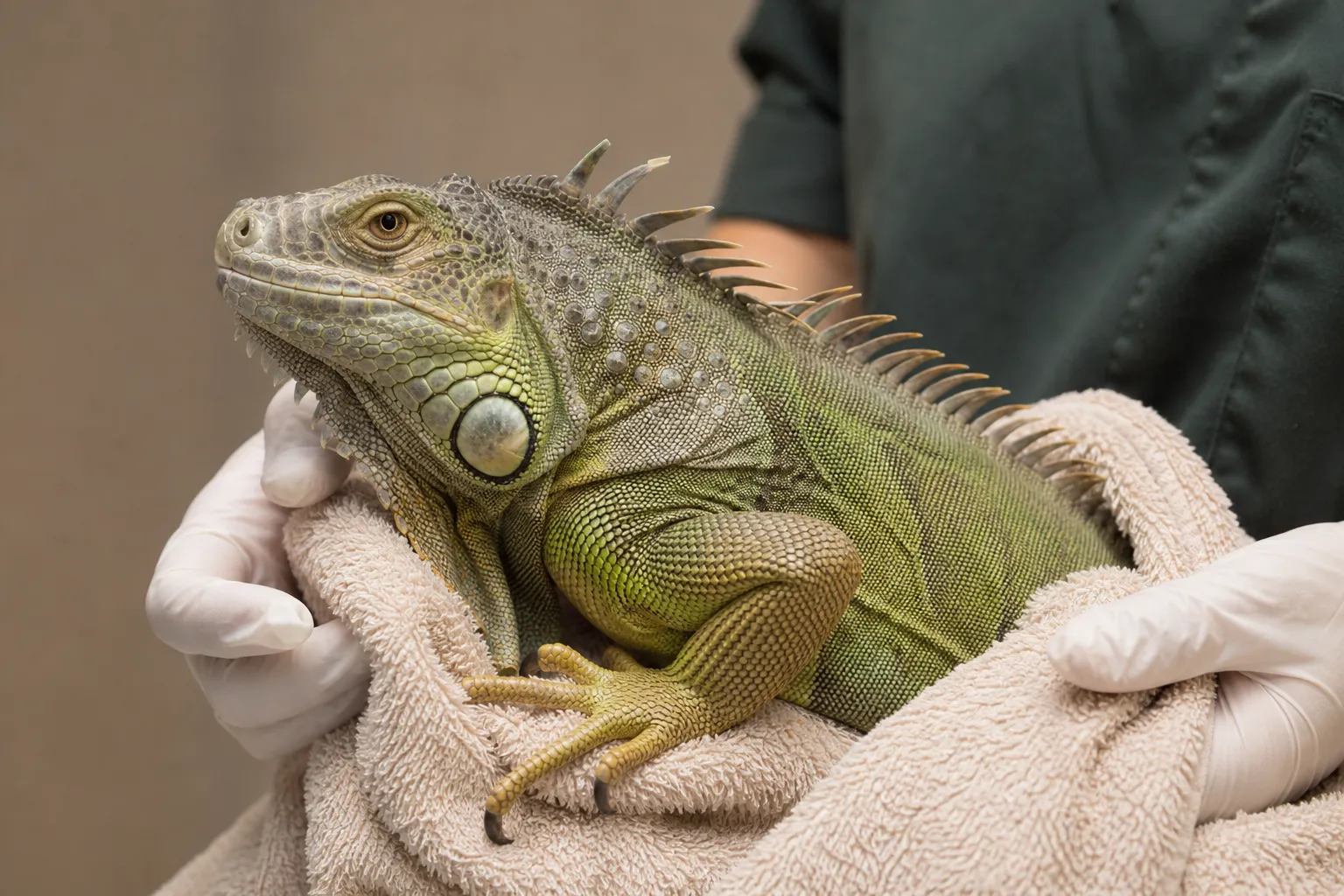
Approach slowly from the side rather than head-on, speak softly, and avoid sudden reaches. Allow the iguana to see your hands and smell your scent. For larger, more defensive animals, use barriers like a towel or clear container to limit direct sudden contact; clinicians use towels, restraint tubes, and clear containers to reduce stress and risk when animals are nervous or aggressive .
Cradle And Support The Body
Always support the body along its length. Place one hand beneath the chest and the other under the base of the tail or hindquarters. Avoid letting the body dangle; unsupported weight stresses the spine and limbs. For smaller iguanas, a towel sling can help distribute weight and calm the animal. Gentle, steady support helps the iguana relax and shortens handling time.
Head Restraint, Bite Risk, And Protective Gear
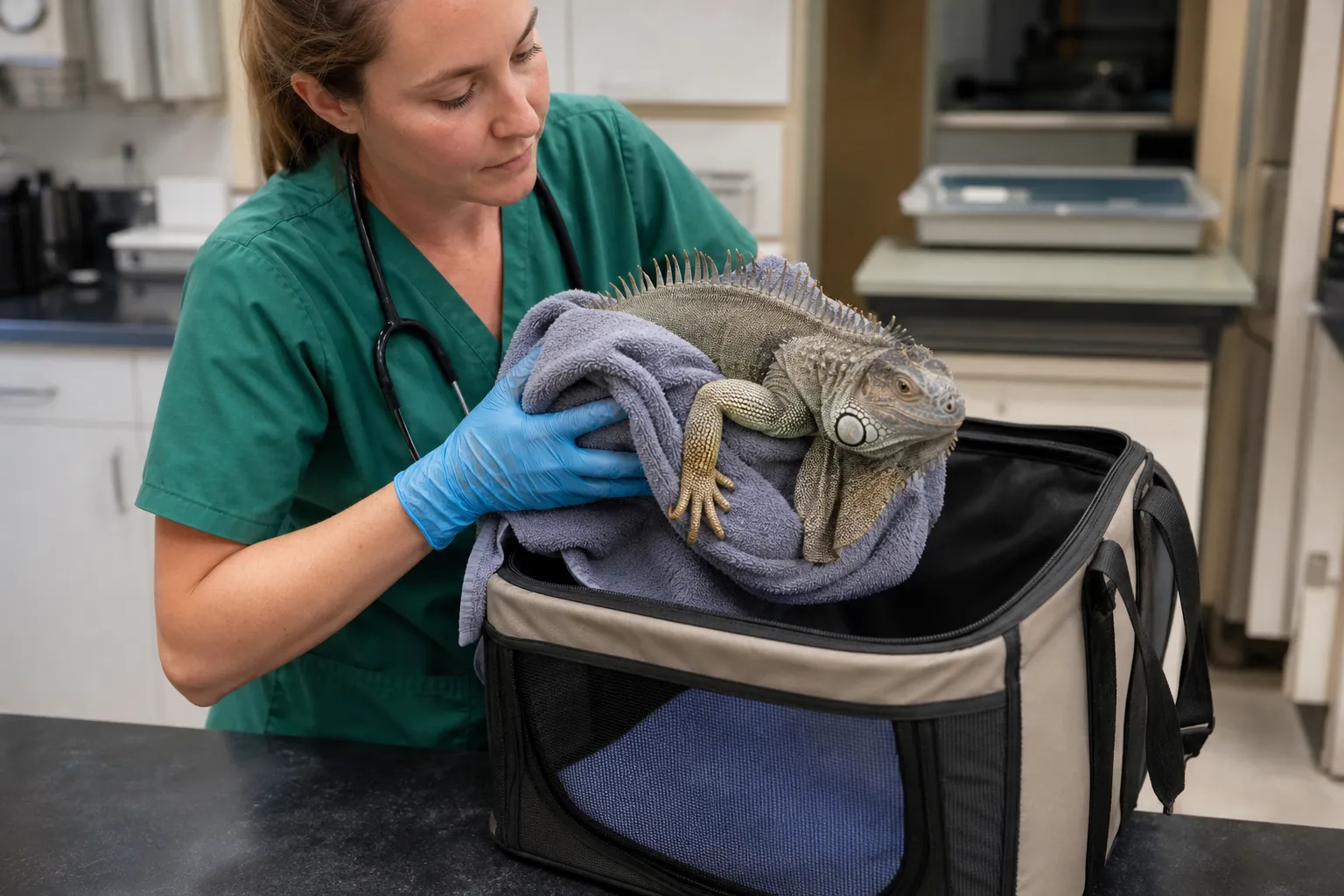
Some iguanas can deliver strong bites or whip with their tails. For many procedures, hold the head gently but securely behind the skull while supporting the body. For large or aggressive lizards, protective gloves or gauntlets may be required; veterinary professionals note gauntlets reduce tactile sensation and are used when necessary for safety . Do not attempt forced mouthing or risky holds at home — consult a veterinarian if aggressive behavior is unmanageable.
When To Choose Chemical Restraint Or Sedation
Chemical restraint or sedation can make procedures quicker and safer for both handler and iguana. Veterinary guidance is essential: sedatives change physiological values and should be used and interpreted by a clinician experienced in reptile anesthesia. The Merck Manual advises considering sedation for longer procedures or when staff safety could be compromised .
Aftercare, Hygiene, And Recordkeeping
After handling, return the iguana to a calm enclosure and watch for abnormal behavior. Wash your hands thoroughly; simple hand hygiene lowers the risk of reptile-associated infections. Maintain records of weight, reactions during handling, and any health changes — regular weights and notes help veterinarians detect disease trends over time . For routine care guidance, see our Iguana Care overview and species pages like Green Iguana when species-specific layout or handling tips apply.
Practical Examples And Troubleshooting
For large iguanas, plan for two handlers whenever possible. One person supports the forebody while the other supports the hindquarters; the Merck Manual emphasizes planning staff safety when dealing with large or potentially dangerous reptiles . For small or nervous individuals, a towel sling often calms the animal and distributes weight more evenly. Prepare the carrier with a soft towel lining, and limit sudden visual stimuli by partially covering the carrier to reduce stress during transport. Keep handling time short and efficient.
After a handling session, monitor the iguana closely for changes in breathing pattern, appetite, skin color, swelling, or unusual behavior. VCA lists changes in appetite, color, or swelling as reasons to seek a reptile-experienced veterinarian . Record each handling event, the animal’s weight, and any reactions in a simple log so trends can be detected early; accurate weight is critical for safe dosing and health monitoring .
If you encounter respiratory signs such as open-mouth breathing, nasal discharge, bubbles at the mouth, or persistent lethargy, stop handling and contact a veterinarian familiar with reptiles. For planned long or invasive procedures, discuss chemical restraint with your clinician — sedatives affect clinical test results and require experienced management .
Handling an iguana should always favor the animal’s choice and safety. If you encounter signs of illness, persistent aggression, or if you feel unsafe, stop and contact a veterinarian experienced in reptile medicine. For general topic exploration, visit Explore Topics.
Conclusion
Approach handling with preparation, calm observation, and full body support. Use towels, containers, and professional advice when needed. When in doubt about illness, restraint difficulty, or whether sedation is appropriate, consult a reptile-experienced veterinarian.
Sources And Further Reading
- Merck Veterinary Manual — Reptiles Clinical Procedures For Reptiles
- VCA Animal Hospitals — Know Your Pet Iguanas Diseases
THE JUNGLE SUPPLY EDIT
Shop This Article
Everyday Tools For A Thoughtful Care Routine
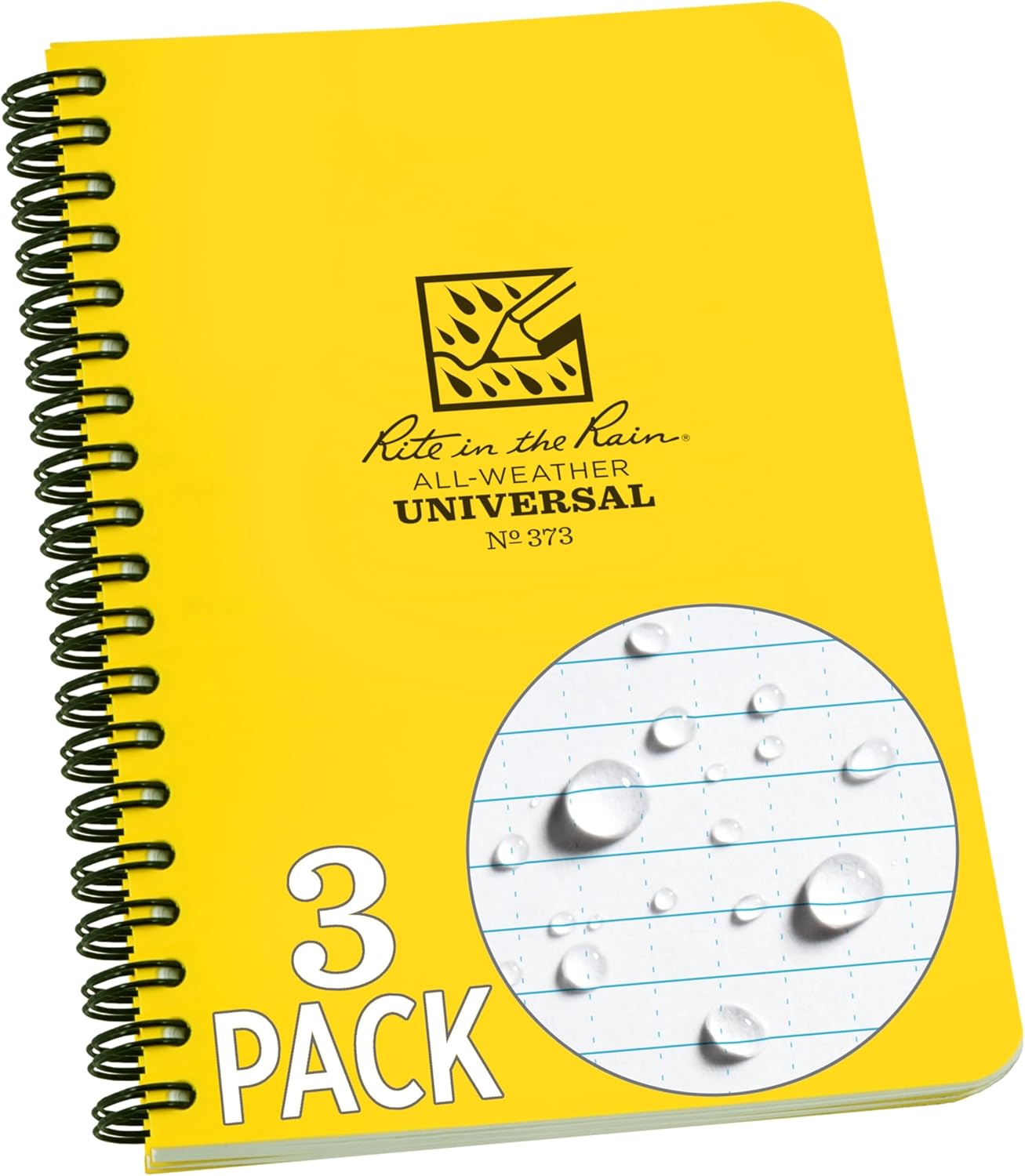
Rite In The Rain Notebooks · 3 Pack
Weatherproof notebooks for temperature logs and daily care observations.
Use for records to discuss with your reptile veterinarian when needed.
View On Amazon (opens in a new tab)
Zoo Med ReptiCare Day/Night Timer
A timer option for maintaining a consistent equipment schedule.
A timer controls on/off times; it does not regulate temperature.
View On Amazon (opens in a new tab)
Zoo Med Repti Rock Food Dish · X-Large
A broad food-dish option for comparing feeding space and placement.
Confirm dimensions on Amazon and choose a stable, accessible position.
View On Amazon (opens in a new tab)
Master Lock 630D Combination Lock
A small lock to compare for compatible cabinet or enclosure hardware.
Check shackle fit; a lock cannot make an unsuitable enclosure escape-proof.
View On Amazon (opens in a new tab)Compare sizes, compatibility and current availability on Amazon. Choose what fits your existing setup.