As an Amazon Associate I earn from qualifying purchases.
Preparing and storing greens correctly keeps your green iguana healthy and reduces waste. This guide gives clear steps for washing, chopping, refrigerating, and checking spoilage so you can feed leafy greens safely. Advice focuses on dark leafy vegetables that should make up the majority of an adult iguana’s diet and includes practical tips on containers, labeling, and simple routine checks you can use every feeding and to maintain freshness daily.
Choose The Right Greens
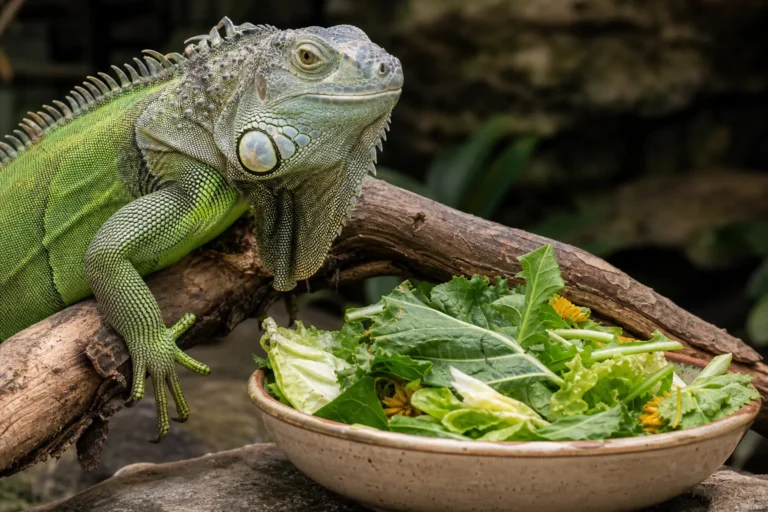
Start with nutrient-dense, calcium-rich dark leafy greens and rotate them. Good examples include collards, mustard greens, turnip greens, bok choy, romaine, and dandelion; these should make up a large portion of an adult iguana’s diet. Offer fruits sparingly as a top dressing, not a main course. Avoid low-nutrient iceberg lettuce and limit foods that interfere with mineral absorption. For species- or age-specific notes, consult care pages and species profiles to adjust portions. Learn more about general iguana care here: Iguana Care and species details at Green Iguana.
Wash Produce Safely
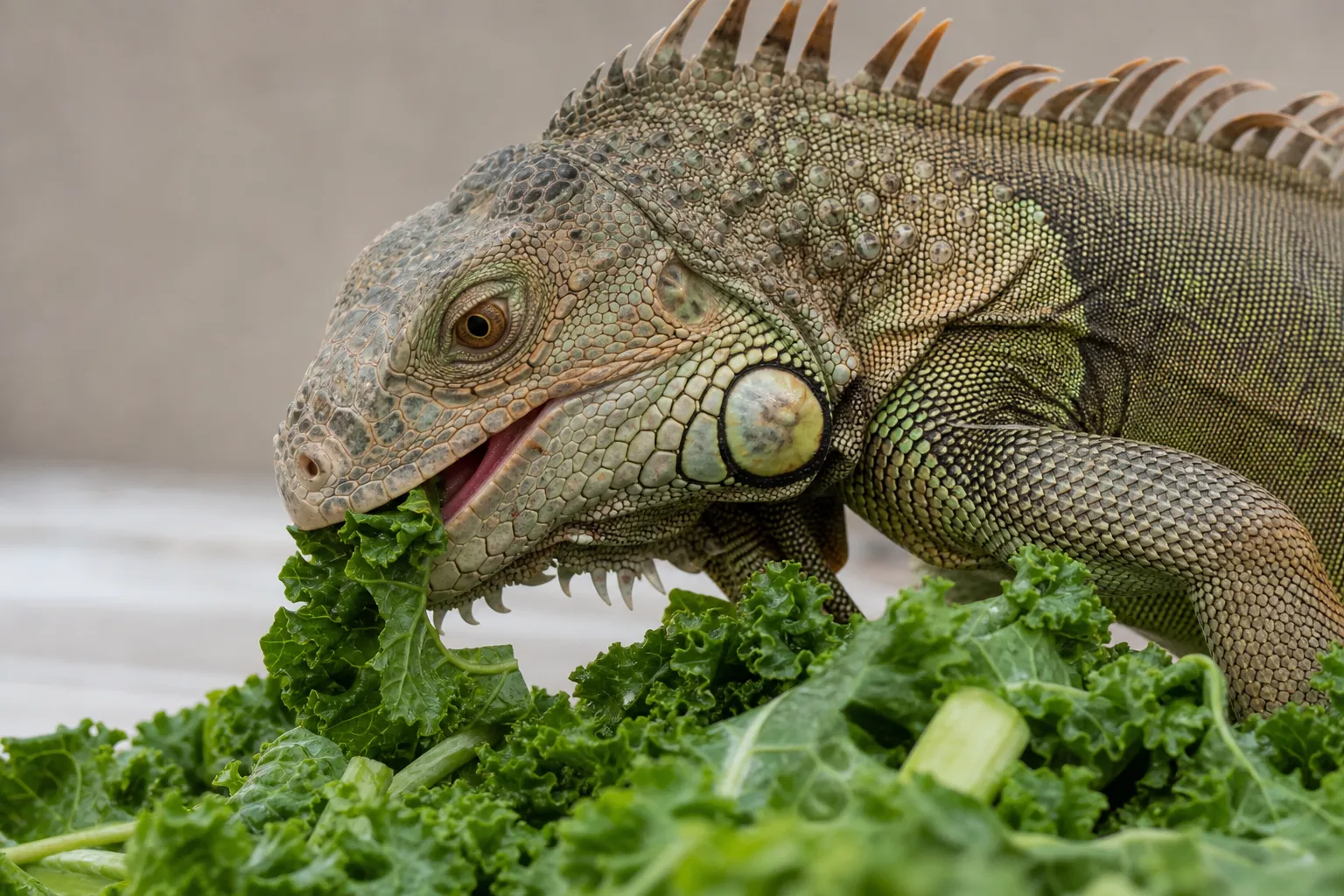
Always wash vegetables and fruits to remove soil, debris, and pesticide residues. Rinse under cool running water and rub leaves gently; a soft brush is useful for thick-skinned items. Avoid soap or household detergents—plain water and mechanical rinsing remove most surface contaminants. Thorough washing is recommended before feeding raw vegetables because iguanas eat leaves whole and rely on foliar nutrition rather than processed pelleted diets.
Chop For Size And Variety
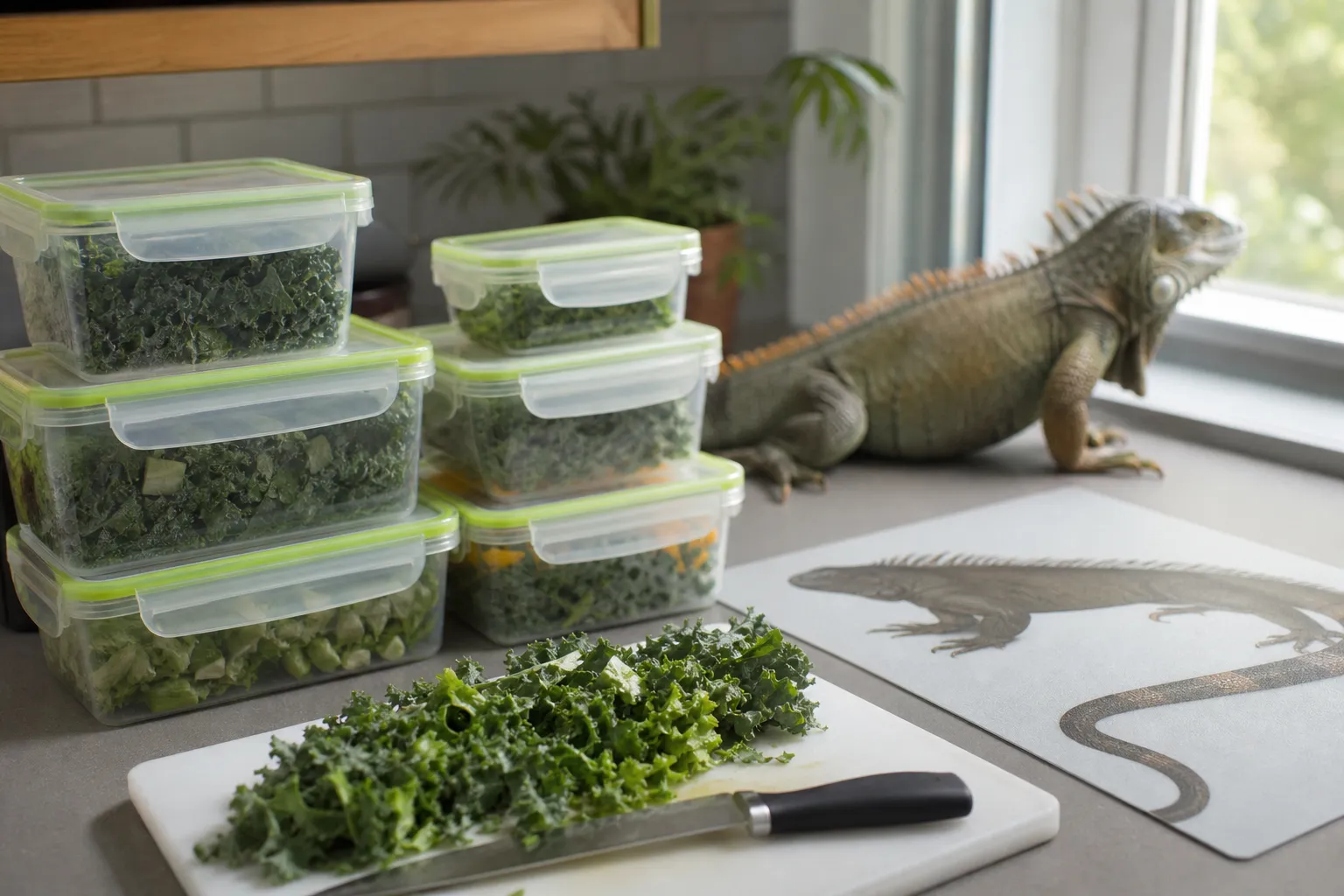
Chop leaves into bite-sized strips appropriate for your iguana’s size. Younger iguanas need smaller pieces; adults can handle larger strips. Mix greens to balance calcium and oxalate-containing items so no single plant dominates every meal. Keep texture varied to stimulate feeding: shredded, torn, and whole small leaves give foraging variety. Use a clean cutting board and knife reserved for pet food, or sanitize between uses. Batch chopping after washing saves time; portion chopped greens into daily servings before refrigerating so you only open one container per feeding, reducing spoilage risk and handling stress for your animal.
Portion And Label Containers
Portion food into clearly labeled, airtight containers so you reuse only what you need each feeding. Consider airtight meal-prep containers or glass storage to keep humidity consistent and prevent cross-contamination. Choose containers sized to the amount your iguana eats in one sitting; smaller containers reduce repeated openings and temperature swings. Label each container with the contents and the preparation date to track freshness. For container ideas, consider searching for airtight food storage: Food Storage Containers and salad spinners for faster drying: Salad Spinner Options.
Refrigeration Best Practices
Store washed and chopped greens in the refrigerator at the produce crisper or on a middle shelf where temperature is steady. Keep greens in breathable but sealed containers—use a paper towel inside to absorb excess moisture, replace it if it gets wet, and avoid sealing wet greens tightly. Cooked vegetables can be stored similarly but remember iguanas prefer raw for most items because cooking reduces nutrients. Adults may be fed every day or every other day depending on weight and appetite; refrigeration helps you prepare appropriate servings ahead of time and reduces meal prep stress during busy days.
Daily Spoilage Checks
Before each feeding, check stored greens for sliminess, off smells, visible mold, or brown and mushy areas. Toss any leaves that feel slimy or have fuzzy growth. Dry, slightly wilted leaves may still be usable if trimmed, but do not feed any item with unusual odors or obvious decay. If a container was opened and not finished, evaluate the remaining greens carefully: frequent openings accelerate spoilage. Safe feeding means discarding suspect items promptly to avoid gastrointestinal upset and to maintain a consistent, healthy diet for your iguana.
Rotate And Use Within Recommended Time
Use the FIFO method—first in, first out. Fresh leafy greens are best used within three to seven days after washing and chopping, depending on the vegetable and how dry it was before storage. Heartier greens like collards and kale generally last longer than delicate lettuces. If you keep pre-washed mixes, plan meals so each container is used quickly. Keep a simple rotation and restock plan to avoid long-term storage of wet leaves. Regular replacement minimizes nutrient loss and keeps feeding predictable and safe for your pet.
Handling And Feeding Routine Tips
Minimize handling of prepared greens to reduce contamination. Use clean tongs or a dedicated spoon to place food in the bowl and avoid touching greens with unwashed hands. Keep feeding dishes and prep surfaces sanitized and separate from kitchen food prep for people. If your iguana is picky, offer new items as a small top dressing until accepted. Consistent routines make feeding predictable; for more on general husbandry and daily care schedules see Explore Topics and basic care guidance at Iguana Care.
Conclusion
Good washing, sensible chopping, airtight portioning, and daily spoilage checks keep greens safe and nutritious for your iguana. Small routines—labeling, proper refrigeration, and rotating stock—save time and reduce waste while supporting long-term health. Follow simple steps and consult trusted care resources for adjustments as your iguana grows.
Sources And Further Reading
THE JUNGLE SUPPLY EDIT
Shop This Article
Practical Tools For Preparing And Serving Greens

OXO Good Grips Salad Spinner
A useful prep tool for washing and draining leafy greens.
Keep reptile-care tools separate from equipment used for people’s meals.
View On Amazon (opens in a new tab)
OXO Vegetable And Onion Chopper
A prep tool for cutting suitable vegetables into manageable pieces.
This is a chopper, not a food recommendation; choose ingredients by species.
View On Amazon (opens in a new tab)
OXO Silicone-Head Tongs · 2 Pack
Kitchen-style tongs for portioning greens and arranging food in dishes.
Use for meal preparation; do not use them to restrain or force-feed a reptile.
View On Amazon (opens in a new tab)
Etekcity Stainless Steel Kitchen Scale
A digital scale for measuring meal ingredients and tracking portions.
Check capacity and platform size; it is not suitable for weighing every reptile.
View On Amazon (opens in a new tab)Compare sizes, compatibility and current availability on Amazon. Choose what fits your existing setup.