As an Amazon Associate I earn from qualifying purchases.
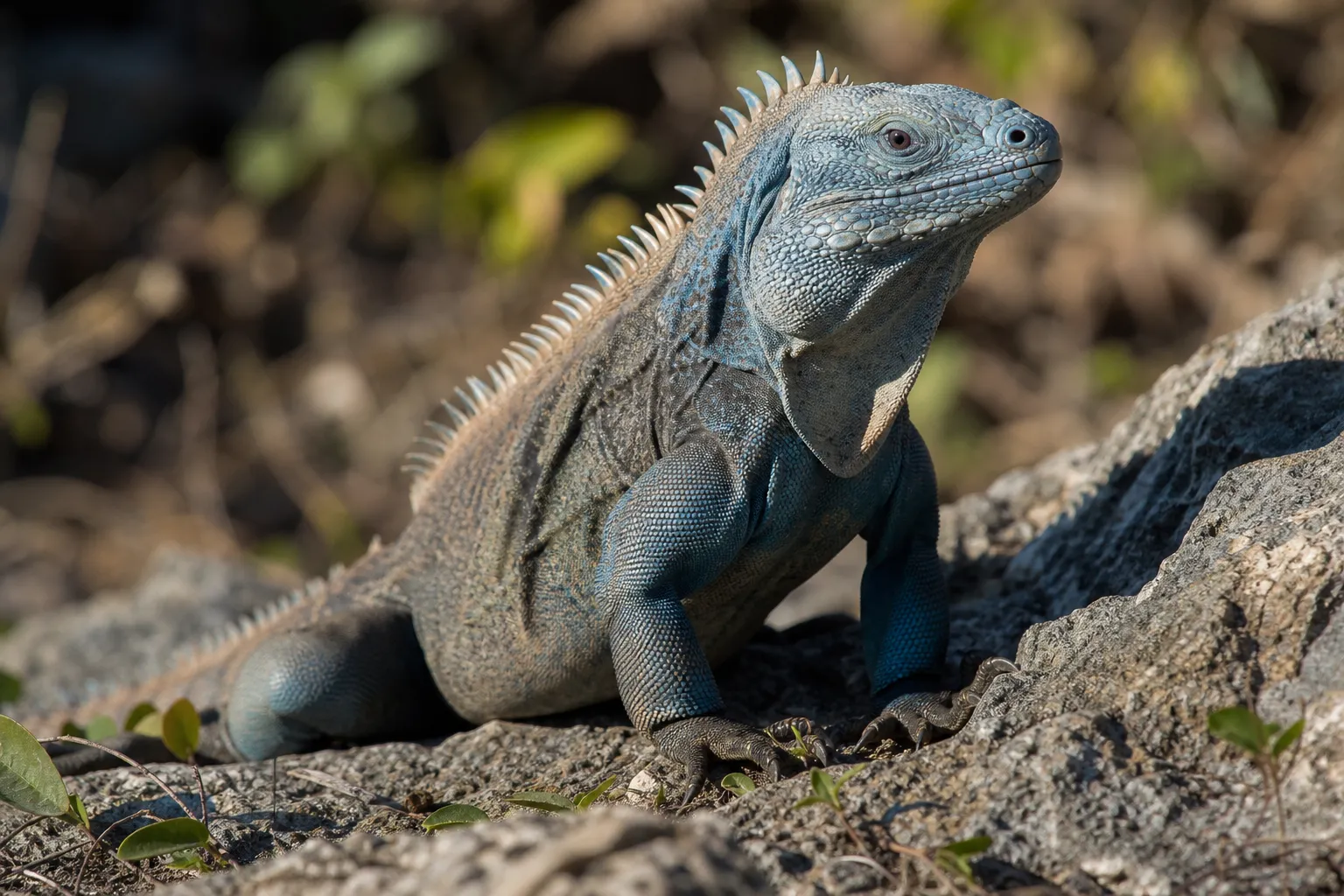
The Grand Cayman blue iguana (Cyclura lewisi) is endemic to Grand Cayman Island and was once reduced to just a few wild animals. Focused recovery efforts — habitat protection, captive breeding and releases, predator control and public outreach — have reversed the steepest declines and established new wild subpopulations. This article outlines the main elements of that work and why they matter for the species’ long-term survival. Learn more about the species.
Status, Numbers, And Why Recovery Is Measured
The Grand Cayman blue iguana was once considered functionally extinct; surveys in the early 2000s counted only a few dozen animals. Intensive recovery changed its IUCN categorization from Critically Endangered to Endangered by 2012 as wild numbers improved. Current estimates and monitoring guide releases and management decisions so conservationists can track whether wild breeding, survival, and population growth are sustained over time .
Protecting Habitat: Reserves And Suitable Landscape
Blue iguanas prefer dry, rocky coastal forest and scrub with thorny plants and cactus. Protecting contiguous habitat reduces collision risks and limits encounters with predators. The National Trust for the Cayman Islands established reserves such as Salina and Collier’s Wilderness, where released animals have room to establish territories and access natural food sources. Secure land is the foundation for long-term recovery .
Main Threats: Predators, Roads, And Habitat Loss
Feral dogs and cats, rodents that take eggs and hatchlings, road traffic and conversion of wild land for development or agriculture are the primary threats to wild blue iguanas. Protection under CITES discourages international trade, but local collection and incidental mortality remain concerns. Reducing these threats is as important as increasing head-start numbers because juvenile survival drives long-term recovery .
Head-Starting And Captive Breeding: How Releases Work
Head-starting raises juveniles in protective care until they are large enough to survive predation and other early hazards. The Blue Iguana Recovery Programme (BIRP) and partner zoos managed captive breeding and a head-start facility at the Queen Elizabeth II Botanic Park. Young iguanas were released into reserves once they reached a safer size and demonstrated good foraging and avoidance behaviors. Releases have been steady enough that by 2018 the program celebrated its 1,000th release into the wild .
Release Methods And Site Fidelity Techniques
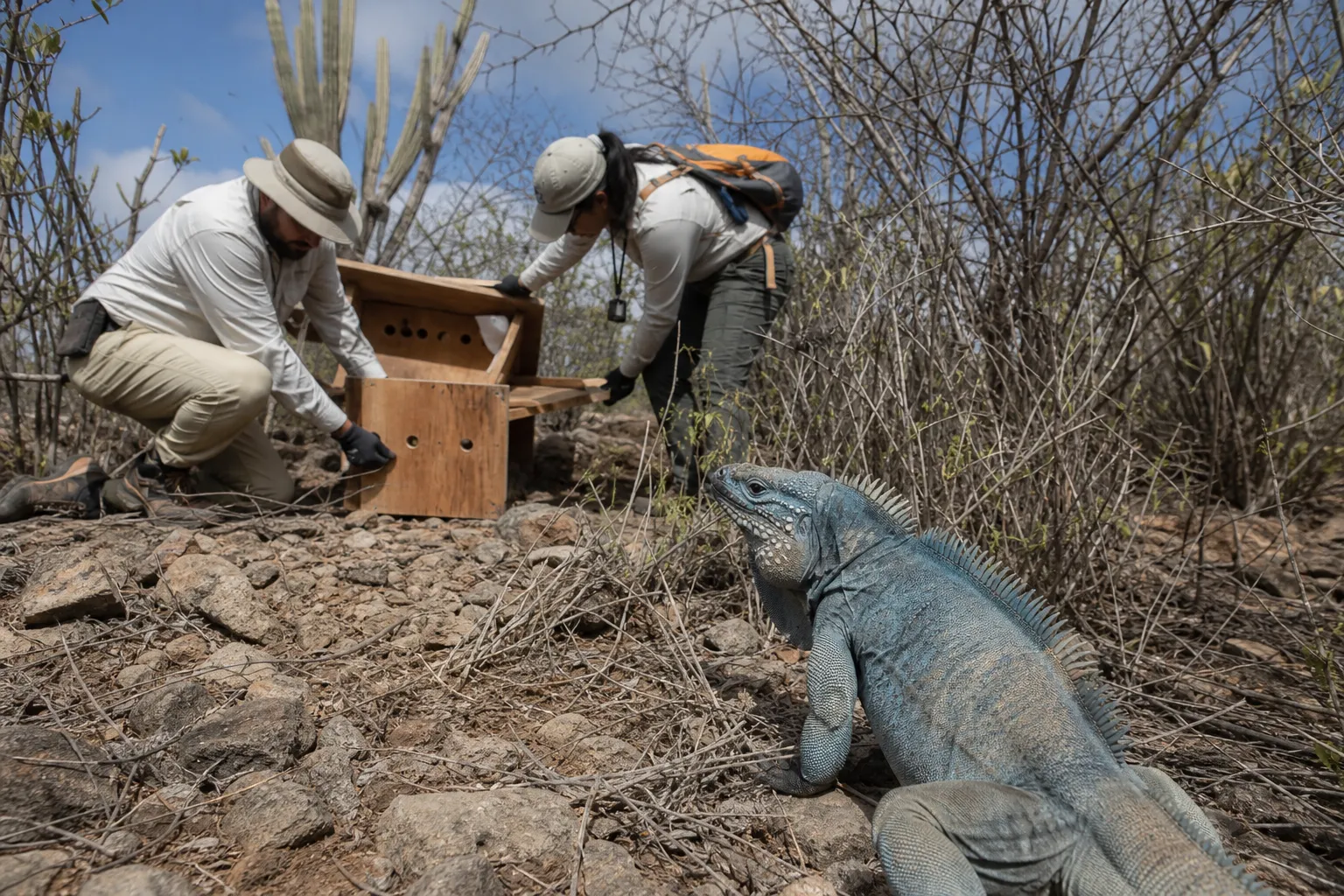
To improve survival after release, conservationists use artificial burrows, wooden hide boxes and careful site selection. These measures give released iguanas immediate shelter from predators and heat stress while encouraging them to remain in protected areas. Some releases have used radio transmitters and other tracking tools to monitor movements and identify risks, which informs future release timing and site choice .
Monitoring And Genetic Research
Long-term monitoring includes population counts, individual identification and genetic sampling. Managing genetic diversity is essential for resilience; managers track founder lines to avoid inbreeding and to guide which captive lines to prioritize for release. Ongoing research helps managers decide when to supplement wild subpopulations or move animals between reserves to maintain healthy genetics .
Practical Steps For Ongoing Management
Field teams combine site management with simple, repeatable practices that reduce immediate mortality and support long-term population growth. Practical actions include maintaining and replacing wooden hide boxes and artificial burrows at release sites, routine checks of released animals using VHF radio tracking to locate displaced or injured individuals, and targeted removal or control of feral dogs and cats in and near reserves. Road-mortality mitigation — speed signage, public awareness campaigns and fencing near high-risk stretches — reduces collisions that otherwise remove breeders from the population. Managers also document founder lines and pairings to guide future breeding and maintain genetic diversity across subpopulations .
How People Can Help On The Ground
Local support keeps conservation practical. Volunteers can help build and install wooden hide boxes, assist with reserve monitoring, and support outreach that discourages illegal collection and encourages responsible pet ownership. Donors and partners fund head-start facilities, radio-tracking equipment and reserve management. The National Trust, BIRP and partner zoos remain key collaborators; supporting or volunteering with these groups strengthens long-term capacity .
For small reserves or community projects that need ready-made options, consider commercial searches for sturdy, wildlife-proof fencing and durable wooden nest boxes as starting points: Search Predator-Proof Wildlife Fencing. Use such products only under guidance from reserve managers and local regulations.
What This Recovery Teaches Other Iguana Projects
The Grand Cayman program illustrates a combined approach: secure habitat, captive head-starting, post-release shelter, monitoring and community outreach. These components are useful models for other rock-iguana and island-endemic programs because they address both immediate survival and long-term population health. For readers curious about related species and field sites, see our resources on site guides and species pages: Top Iguana Sites and Explore conservation topics.
Conclusion
Grand Cayman blue iguana recovery shows how targeted, science-based actions can pull a species back from the brink. Ongoing habitat protection, monitoring and public engagement remain essential to sustain the gains. Those who want to support or learn more can follow the listed sources and local programs that continue the work.
Sources and further reading